Kenichi Ebina (蛯名 健一 Ebina Ken'ichi?) (born January 1, 1974) is a performance artist of Japanese origin who is best known for winning the eighth season of America's Got Talent on September 18, 2013. His solo act, labeled 'dance-ish' by Ebina, features his unique self-taught style which combines acting, storytelling, and a number of different dance styles, including freestyle, hip-hop, mime, martial arts, jazz, and ethnic dance. He frequently interacts with characters on a video screen behind him, who have all been created and played by himself.Kenichi was born 1974, Ebina earned his Associates of Arts in General Studies from the University of Bridgeport in 1998 and a Bachelor of Arts in Mass Communications in 2000 from the same University. Kenichi has a wife and daughter in Japan.[1]In 2006 and 2007, he won the Apollo Amateur Night seven times and became grand champion for the season. In 2001, his dance troupe BiTriP won first place at the Apollo Amateur Night. He remains the only two-time grand champion. He is also featured in Angelina Ballerina: The Next Steps, where he talks about his dance performance involving a story about a mannequin brought to life.He performed at the Chicago auditions, doing a Matrix-style "dance-ish" performance that wowed the judges, gaining "yes" votes from all four judges.[2] He was automatically sent through to the live rounds at Radio City Music Hall without needing to perform during Vegas week. On August 6, 2013, in the quarterfinals, he performed a dance/martial arts routine at Radio City Music Hall in New York City, in which he interacted with a video that was playing on a large screen behind him. Kenichi also portrayed every character shown on the video behind him. On the August 7 results show, he was voted through to the semi-finals.[3] On September 3, Kenichi performed an elaborate dance/mime routine with a projected version of himself and was voted into the top 12. On September 10, he performed an interpretive dance about love, death and the afterlife and was voted into the finals.[4] After performing two dance routines during the finals on September 17, he was announced the winner of the eighth season of America's Got Talent on September 18, 2013. He was also the first dance and second foreign act to win the competition. On the Season 9 Quarterfinal results show on August 13, 2014, Kenichi returned as a guest, performing a routine based on his audition performance, while interacting with versions of himself with superimposed faces of Heidi and Howie. The performance was also a demonstration of the app he is working on (apparently titled "Dance-ish Me") to be released in September, although no other specifics were mentioned.
Latest Article Welcome to my site to watch video More Last
Kenichi Ebina Performs an Epic Matrix- Style Martial Arts Dance
Posted by Mrr Nal
Posted on 12:16 AM
with No comments
Special Head Levitates and Shocks the Crowd
Posted by Mrr Nal
Posted on 11:27 PM
with No comments
Special Head is the stage name of entertainer Danny Wolverton. Special Head is best know for his Levitation performances on America's Got Talent season 8. Special Head reinvented the classic Indian Fakar Levitation in the U.S. He was the first person in the world to perform the Indian Fakar Levitation while walking on and off a stage during the performance. Special Head has performed his magic on many other Talent based TV shows including, Das Super Talent, Tengo Talento Much Talento, and Good Day New York. The name Special Head refers to the many character roles Wolverton plays and the realistic Silicone masks Special Head wears when performing as different characters. The name also refers to our Special mental capabilities of being human. Music: Special Head is also a musician, performing live looping and beat boxing that accompanies his magic shows. Special Head is a producer of electronic dance music and world music. In 2007 Wolverton Traveled to Africa and recorded traditional music in rural villages with portable field recording equipment. Wolverton produced two compilation Albums of South African Music and Kenyan Music; entitled "Detached And Unplugged (2008)" and "Off the Map (2008)". Wolverton also sampled and mixed his African Music into his two Solo Albums "Doing Back Flips on Top of Saguaros Naked" (2011) and "Levitation Music" (2014) https://itunes.apple.com/gb/album/levitation-music/id939325793 America's Got Talent Special Head's America's Got Talent Season Premier performance went viral and Special Head was the 2nd most tweeted word, on the Day of the premier. according to official Twitter #trending statistics. During h act, Judge Howard Stern gave Special Head an X but then took back the X which was the first time Stern had ever taken back an X on the program. Special Head then went to perform the "Matrix Lean" at the Las Vegas Week of America's Got Talent. Special Head then advanced to the "Semi Finals Live" show at Radio City Music Hall, New York City where he performed a levitation and disappearing act atop a pyramid Special Head's Week 1 Quarterfinals performance in Episode 810 consisted of throat singing and creating the illusion of himself levitating and teleporting his body to the outside on the marquee of Radio City Music Hall, all with an ancient Egyptian theme. A major error in his act occurred when his head was visible to the audience while he was leaving the stage area for the marquee. Heidi Klum remarked "we could all see your special head." He was given the commercial break to return to the stage. Heidi Klum and Howard Stern gave him standing ovations. He did not receive enough votes to be sent to the Semifinals in Episode 811, eliminating him from the competition along with Fresh Faces and Hype. Howie Mandel told Special Head, pointedly, "You blew it."
Why Planes Crash: Breaking Point
Posted by Mrr Nal
Posted on 11:33 PM
with No comments
American Airlines Flight 191 was a regularly scheduled passenger flight from O'Hare International Airport in Chicago to Los Angeles International Airport. The McDonnell Douglas DC-10-10 crashed on May 25, 1979, moments after takeoff from Chicago. All 258 passengers and 13 crew on board were killed, along with two people on the ground. It is the deadliest aviation accident to have occurred in the United States. Investigators found that as the jet was beginning its takeoff rotation, engine number one on the left wing separated and flipped over the top of the wing. As the engine separated from the aircraft, it severed hydraulic fluid lines that locked the wing leading edge slats in place, and it damaged a three-foot section of the left wing's leading edge. Air loads on the wing resulted in an uncommanded retraction of the outboard slats. As the jet attempted to climb, the left wing stalled while the right wing, with its slats still deployed, continued to produce lift. The jetliner subsequently rolled to the left until it was partially inverted, reaching a bank angle of 112 degrees, before crashing in an open field by a trailer park near the end of the runway. The engine separation was attributed to damage to the pylon rigging structure holding the engine to the wing, caused by faulty maintenance procedures at American Airlines. While maintenance issues and not the actual design of the aircraft were ultimately found responsible for the crash, the accident and subsequent grounding of all DC-10s by the Federal Aviation Administration added to an already unfavorable reputation of the DC-10 aircraft in the eyes of the public, caused by several other incidents and accidents involving the type. The investigation also revealed other DC-10s with damage caused by the same faulty maintenance procedure. The faulty procedure was banned, and the aircraft type went on to have a long passenger career. It has since found a second career as a cargo airplane.The weather was clear, with a northeast wind at 22 knots (41 km/h). At 2:50 CDT, Flight 191 pushed back from gate K5 and was cleared to taxi to runway 32R/14L. Maintenance crews present at the gate did not notice anything unusual during pushback, engine start, or taxi.[5] Everything looked normal as the flight began its takeoff roll at 3:02.[6] Just as the aircraft hit takeoff speed, the number one engine and its pylon assembly separated from the left wing, ripping away a 3-foot (0.91 m) section of the leading edge with it. The combined unit flipped over the top of the wing and landed on the runway.[7] Robert Graham, supervisor of maintenance for American Airlines, stated: "As the aircraft got closer, I noticed what appeared to be vapor or smoke of some type coming from the leading edge of the wing and the No. 1 engine pylon. I noticed that the No. 1 engine was bouncing up and down quite a bit and just about the time the aircraft got opposite my position and started rotation, the engine came off, went up over the top of the wing, and rolled back down onto the runway... Before going over the wing, the engine went forward and up just as if it had lift and was actually climbing. It didn't strike the top of the wing on its way, rather it followed the clear path of the airflow of the wing, up and over the top of it, then down below the tail. The aircraft continued a fairly normal climb until it started a turn to the left. And at that point, I thought he was going to come back to the airport."[8] It is not known what was said in the cockpit in the 50 seconds leading up to final impact, as the cockpit voice recorder lost power when the engine detached. The only crash-related audio collected by the recorder is a thumping noise (likely the sound of the engine separating) followed by First Officer Dillard exclaiming "Damn!", at which point the recording ends. This may also explain why Air Traffic Control was unsuccessful in their attempts to radio the crew and inform them that they had lost an engine. This loss of power did, however, prove useful in the subsequent investigation, serving as a marker of exactly what circuit in the DC-10's labyrinthine electrical system had failed.[7] In addition to the engine's failure, several related systems failed. The number one hydraulic system, powered by the number one engine, failed but continued to operate via motor pumps that mechanically connected it to hydraulic system three. Hydraulic system three was also damaged and began leaking fluid, but maintained pressure and operation up until impact. Hydraulic system two was undamaged. The number one electrical bus, whose generator was attached to the number one engine, failed causing several electrical systems to go offline, most notably the captain's instruments, his stick shaker, and the slat disagreement sensors. While a switch in the overhead panel would have allowed the captain to restore power to his instruments, it was not used. It might have been possible for the flight engineer to reach the backup power switch (as part of an abnormal situation checklist – not as part of their take-off emergency procedure), in an effort to restore electrical power to the number one electrical bus. That would have worked only if electrical faults were no longer present in the number one electrical system. Furthermore, to reach the switch the flight engineer would have needed to rotate his seat, release his safety belt, and stand up. Since the aircraft never got higher than 350 feet (110 m) above ground, and was in the air for only 50 seconds between when the engine separated and when it crashed, there was not sufficient time to take such an action. In any event, the first officer was flying the airplane and his instruments continued to function normally.[7] As the wings and engines were not visible from the cockpit, the crew likely had no idea that an engine had fallen off, only that one had failed. Since it was no longer possible to abort the takeoff at this point, the crew followed the standard operating procedure for an "engine out" climb. This procedure is to climb at the takeoff safety airspeed (V2) and attitude (angle), as directed by the flight director. The partial electrical power failure (produced by the separation of the left No. 1 engine) meant that neither the stall warning or slat retraction indicator were operative. The crew were therefore unaware that the slats on the left wing were retracting, this retraction significantly raised the stall speed of the left wing. By following the takeoff safety airspeed, the left wing stalled while right wing was still producing lift, the aircraft banked sharply to the left uncontrollably. Later, in simulator recreations of the accident it was determined that by climbing at a higher airspeed the crash could have been averted.[7] The aircraft climbed to about 325 feet (99 m) above ground level while spewing a white mist trail of fuel and hydraulic fluid from the left wing.The first officer had followed the flight director and raised the nose to 14 degrees which reduced the airspeed from 165 knots (306 km/h) to the takeoff safety airspeed (V2) of 153 knots (283 km/h), the speed at which the aircraft could safely climb after sustaining an engine failure.[7] However, the engine separation had severed the hydraulic fluid lines that controlled the leading edge slats on the left wing and locked them in place, causing the outboard slats (immediately left of the No. 1 engine) to retract under air load. The retraction of the slats raised the stall speed of the left wing to approximately 159 knots (294 km/h), 6 knots (11 km/h) higher than the prescribed takeoff safety airspeed (V2) of 153 knots (283 km/h). As a result, the left wing entered a full aerodynamic stall. At 325 feet (99 m) above ground level, the resulting asymmetric lift caused the aircraft to commence rolling rapidly to the left and to enter a steep dive from which it could not recover despite maximum opposite control inputs by the first officer. The aircraft continued rolling until it was partially inverted at a 112 degree bank angle, right-wing over left wing. It then slammed into a field approximately 4,600 ft (1,400 m) from the end of the runway.[7] Large sections of aircraft debris were hurled by the force of the impact into an adjacent trailer park, destroying five trailers and several cars. The DC-10 had also crashed into an old aircraft hangar located at the edge of the airport at the former site of Ravenswood Airport, which was used for storage.[9] The nearly full fuel load ignited in a huge fireball almost immediately. The aircraft was almost completely destroyed, with no significant pieces of the fuselage remaining. The only sizable components left were the landing gear, the two engines that were still attached to the aircraft at impact, the engine that separated from the aircraft, and the tail section.[7] A fireman assisting at the scene of the crash later stated, "We didn't see one body intact, just trunks, hands, arms, heads, and parts of legs. And we can't tell whether they were male or female, or whether they were adult or child, because they were all charred."[9] Another first responder on the scene stated, "It was too hot to touch anybody and I really couldn't tell if they were men or women. Bodies were scattered all over the field."[9] In addition to the 271 people on board the aircraft, two employees at a nearby repair garage were killed and two more severely burned. At 273 victims, this was the deadliest accident in US aviation history.[note 1][10] Of the victims, only about a dozen bodies were found intact.[9] Three additional residents were injured from falling aircraft debris. The crash scene was in a field northwest of the intersection of Touhy Avenue (Illinois Route 72) and Mount Prospect Road on the border of the suburbs of Des Plaines and Mount Prospect, Illinois.[7]
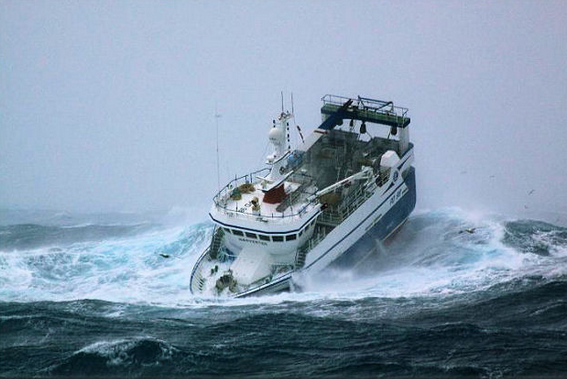
TOP SHIP IN STORM COMPILATION HD -MONSTER WAVES
Posted by Mrr Nal
Posted on 12:14 AM
with No comments
Tusk is the 12th album by the British/American rock band Fleetwood Mac. Released in 1979, it is considered experimental, primarily due to Lindsey Buckingham's sparser songwriting arrangements and the influence of punk rock and new wave on his production techniques. Bassist John McVie has commented that the album sounds like "the work of three solo artists" (Buckingham, Stevie Nicks and Christine McVie), whilst Mick Fleetwood later proclaimed that it is his favourite and the best Fleetwood Mac studio album created by the group. Costing over $1 million dollars to record (a fact widely noted in the 1979 press), it was the most expensive rock album made up to that point. Tusk peaked at No. 4 in the U.S., spent over five months within the top 40, and was certified double platinum for shipping two million copies.[8] It peaked at No. 1 in the UK and achieved a Platinum award for shipments in excess of 300,000 copies[9]. The album gave the group two U.S. top-ten hit singles, with the Buckingham-penned title track (US #8/UK #6), and the Stevie Nicks composition "Sara" (U.S. #7/UK #37). Further releases from the album, "Not That Funny" (UK only single release), "Think About Me" and "Sisters of the Moon" were less successful; however, the latter two appear in their 'single versions' on the 2002 compilation The Very Best of Fleetwood Mac. "Sara" was cut to 4½ minutes for both the single and the first CD release of the album, but the unedited version has since been restored on the 1988 Greatest Hits compilation and the 2004 reissue of Tusk as well as Fleetwood Mac's 2002 release of The Very Best of Fleetwood Mac. Original guitarist Peter Green also took part in the sessions for Tusk, but his playing on the Christine McVie track "Brown Eyes" is not credited on the album.[10] However, on the alternate version (at 30 seconds longer) that was released on 25 Years – The Chain, Green's distinctive guitar playing can be recognized, especially at the end of the song. Though the album sold 4 million copies worldwide, and earned a Grammy nomination in 1981, to its art designers in the category "Best Album Package", in comparison to the huge sales of Rumours and the unprecedented recording expense, the band's record label deemed the project a failure, laying the blame squarely with Buckingham.[11] Fleetwood, however, blames the album's relative failure on the RKO radio chain playing the album in its entirety prior to release, thus allowing mass home recording.[12] In addition, Tusk was a double album, with a high list price of $15.98 ($2.00 more than other double albums). The band embarked on a massive 18-month tour to promote Tusk. They travelled extensively across the world, including the U.S., Australia, New Zealand, Japan, France, Belgium, Germany, the Netherlands, and UK. In Germany they shared the bill with reggae superstar Bob Marley. It was on this world tour that the band recorded music for the Fleetwood Mac Live album, which was released in 1980.
The Most Funnies Audition in Cambodian Idol 2015
Posted by Mrr Nal
Posted on 7:37 PM
with No comments
Academy Awards: 1st Academy Awards · 59th Academy Awards · 61st Academy Awards · 62nd Academy Awards · 63rd Academy Awards · 64th Academy Awards · 66th Academy Awards · 67th Academy Awards · 68th Academy Awards · 70th Academy Awards · 71st Academy Awards · 72nd Academy Awards · 73rd Academy Awards · 74th Academy Awards · 75th Academy Awards · 76th Academy Awards · 77th Academy Awards · 79th Academy Awards · 81st Academy Awards · 82nd Academy Awards · 83rd Academy Awards · 84th Academy Awards · 85th Academy Awards · 86th Academy Awards · Academy Award for Best Actor · Academy Award for Best Actress · Academy Award for Best Supporting Actor · Academy Award for Best Supporting Actress · Academy Awards for Walt Disney · Academy Award-winning foreign language films · Academy Award winners and nominees for Best Foreign Language Film · Actors nominated for Academy Awards for foreign language performances · Actors nominated for two Academy Awards in the same year · Croatian submissions for the Academy Award for Best Foreign Language Film · Czech submissions for the Academy Award for Best Foreign Language Film · German submissions for the Academy Award for Best Foreign Language Film · Indian submissions for the Academy Award for Best Foreign Language Film · Indonesian submissions for the Academy Award for Best Foreign Language Film · Japanese submissions for the Academy Award for Best Foreign Language Film · Submissions to the 72nd Academy Awards for Best Foreign Language Film · Submissions to the 73rd Academy Awards for Best Foreign Language Film · Submissions to the 74th Academy Awards for Best Foreign Language Film · Submissions to the 77th Academy Awards for Best Foreign Language Film · Submissions to the 79th Academy Awards for Best Foreign Language Film · Submissions to the 80th Academy Awards for Best Foreign Language Film Daytime Emmy Awards: 40th Daytime Emmy Awards · Daytime Emmy Award for Outstanding Drama Series · Daytime Emmy Award for Outstanding Drama Series Directing Team · Daytime Emmy Award for Outstanding Lead Actor in a Drama Series · Daytime Emmy Award for Outstanding Lead Actress in a Drama Series · Daytime Emmy Award for Outstanding Supporting Actor in a Drama Series · Daytime Emmy Award for Outstanding Supporting Actress in a Drama Series · Daytime Emmy Award for Outstanding Younger Actress in a Drama Series · Daytime Emmy Award for Outstanding Younger Actor in a Drama Series Film accolades lists: 12 Years a Slave · 127 Hours · American Hustle · Argo (2012 film) · Atonement · Avatar · Avengers (2012 film) · Barfi! · Black Swan · Blue Jasmine · Dallas Buyers Club · The Dirty Picture · An Education · Fashion · Frida · Frozen (2013) · Gosford Park · Gravity · Haider · Her · The Hurt Locker · Inglourious Basterds · Kahaani · Kaminey · The King's Speech · The Lord of the Rings film trilogy · Master and Commander: The Far Side of the World · Mr. Nobody · My Week with Marilyn · No Country for Old Men · Precious · Queen · Ratatouille · Sense and Sensibility · Spider-Man trilogy · Star Trek (film) · Star Trek Into Darkness · True Grit (2010) · Up · Up in the Air · WALL-E · Winter's Bone · The Young Victoria Television series award lists: 30 Rock · Arrested Development · The Bill · Carnivàle · Lost · Louie · Miami Vice · Penn & Teller: Bullshit! · Psych · The Simpsons · The Vampire Diaries Other awards: 1st Magritte Awards · 29th Golden Raspberry Awards · Annie Award for Best Animated Home Entertainment Production · BAFTA Fellowship · British Film Institute Fellowship · Citra Award for Best Director · Citra Award for Best Leading Actor · Citra Award for Best Leading Actress · Citra Award for Best Supporting Actress · Dadasaheb Phalke Award · Films that received the Golden Film · Golden Eagle Award for Best Foreign Language Film · Golden Globe Award for Best Original Score · National Film Award for Best Actor · National Film Award for Best Actress · National Film Award for Best Supporting Actor · Primetime Emmy Award for Outstanding Voice-Over Performance · Tony Award for Best Featured Actor in a Play · Tony Award for Best Featured Actress in a PlaySeries: 24 · Adventure Time · The Adventures of Mini-Goddess · Arrested Development · Asu no Yoichi! · Avatar: The Last Airbender · Awake · Baccano! · The Bellflower Bunnies · Black Lagoon · Bleach · Blue Drop: Tenshitachi no Gikyoku · Brotherhood · Buso Renkin · Call the Midwife · Carnivàle · Chartjackers · Claymore · Code Geass: Lelouch of the Rebellion · Code Geass: Lelouch of the Rebellion R2 · D.Gray-man · Dad's Army · Degrassi: The Next Generation · Dexter · Devil May Cry · Doctor Who serials · Ed, Edd n Eddy · Family Guy · Fate/stay night · Grey's Anatomy · Gunslinger Girl · Gunsmoke · Heroes · Highlander: The Raven · Hitohira · Joking Apart · Kashimashi: Girl Meets Girl · Kaze no Stigma · Lost · M*A*S*H · Meerkat Manor · Millennium · Moonlight · Moonlighting · Myself ; Yourself · Night Wizard · Numb3rs · The O.C. · Oh My Goddess! · The Office (UK TV series) · The Office (US TV series) · Peep Show · Popotan · Press Gang · QI · Regular Show · Rental Magica · Seinfeld · The Simpsons · Smallville · SpongeBob SquarePants · Supernatural · Tokyo Mew Mew · Trinity Blood · True Tears · Tsukihime, Lunar Legend · Twin Peaks · The Unit · Vampire Knight · Veronica Mars · X-Files Seasons: 30 Rock (season 1) · 30 Rock (season 2) · 30 Rock (season 3) · 30 Rock (season 4) · Avatar: The Last Airbender (season 1) · Avatar: The Last Airbender (season 2) · Avatar: The Last Airbender (season 3) · Bleach (season 1) · Bleach (season 2) · Bleach (season 3) · Bleach (season 4) · Bleach (season 5) · Bleach (season 6) · Bleach (season 7) · Bleach (season 8) · Bleach (season 9) · Bleach (season 10) · Blue Heelers (season 13) · Degrassi: The Next Generation (season 1) · Degrassi: The Next Generation (season 2) · Degrassi: The Next Generation (season 3) · Degrassi: The Next Generation (season 4) · Degrassi: The Next Generation (season 5) · Degrassi: The Next Generation (season 6) · Degrassi: The Next Generation (season 7) · Desperate Housewives (season 1) · Family Guy (season 1) · Family Guy (season 5) · Family Guy (season 8) · Glee (season 1) · Green Wing (series 1) · Highlander: The Series (season 1) · Highlander: The Series (season 2) · How I Met Your Mother (season 1) · Lost (season 1) · Lost (season 2) · Lost (season 3) · Lost (season 4) · The O.C. (season 1) · The O.C. (season 2) · The O.C. (season 3) · The O.C. (season 4) · The Office (U.S. TV series, season 1) · The Office (U.S. TV series, season 2) · The Office (U.S. TV series, season 3) · The Office (U.S. TV series, season 4) · The Office (U.S. TV series, season 8) · One Piece (season 5) · Prison Break (season 2) · The Real Housewives of Atlanta (season 6) · Seinfeld (season 2) · Seinfeld (season 3) · The Simpsons (season 1) · The Simpsons (season 2) · The Simpsons (season 3) · The Simpsons (season 4) · The Simpsons (season 5) · The Simpsons (season 6) · The Simpsons (season 7) · The Simpsons (season 8) · The Simpsons (season 9) · The Simpsons (season 10) · The Simpsons (season 13) · The Simpsons (season 14) · Veronica Mars (season 1) · Veronica Mars (season 2) · Veronica Mars (season 3) Other: Sesame Street Muppets · The Simpsons shorts · The Simpsons Treehouse of Horror
Camera capture Boeing 747 crash in Bagram - Bagram 747 crash
Posted by Mrr Nal
Posted on 4:42 AM
with No comments
At the time of the crash the airline had been operating between Camp Bastion and Dubai for a month.[1] The accident flight had originated in Camp Bastion and had stopped at Bagram Airfield to refuel.[6][7] The aircraft then took off from Bagram's runway 03 at 15:30 local time (11:00 UTC) and was climbing through 1,200 feet (370 m) when its nose rose sharply. According to an unconfirmed claim, a crew member was heard on VHF air-band radio reporting that some of the load of five heavy military vehicles in the cargo hold had shifted. The aircraft then stalled, crashed and exploded into a large fireball on impact.[1] The crash site was off the end of runway 03, within the perimeter of the airfield. All seven crew, all of whom were U.S. citizens,[5] died: four pilots, two mechanics and a loadmaster.[1] A thunderstorm was also in the vicinity of Bagram at the time of the crash and the wind changed direction by 120° during a one-hour period commencing approximately 35 minutes before the crash.[4] A dashboard camera on a car in the vicinity of the runway end recorded the crash and the video is available online.[8][1] CNN stated that a government official speaking on the condition of anonymity said that the video was authentic.[7]The Cable News Network (CNN) is an American basic cable and satellite television channel that is owned by the Turner Broadcasting System division of Time Warner.[1] The 24-hour cable news channel was founded in 1980 by American media proprietor Ted Turner.[2][3] Upon its launch, CNN was the first television channel to provide 24-hour news coverage,[4] and was the first all-news television channel in the United States.[5] While the news channel has numerous affiliates, CNN primarily broadcasts from the Time Warner Center in New York City, and studios in Washington, D.C. and Los Angeles, its headquarters at the CNN Center in Atlanta is only used for weekend programming. CNN is sometimes referred to as CNN/U.S. to distinguish the American channel from its international sister network, CNN International. As of August 2010, CNN is available in over 100 million U.S. households.[6] Broadcast coverage of the U.S. channel extends to over 890,000 American hotel rooms,[6] as well as carriage on cable and satellite providers throughout Canada. Globally, CNN programming airs through CNN International, which can be seen by viewers in over 212 countries and territories.[7] As of February 2015, CNN is available to approximately 96,289,000 cable, satellite and, telco television households (82.7% of households with at least one television set) in the United States.[8]
7 Year old girl flying a Boeing 737 Simulator
Posted by Mrr Nal
Posted on 11:13 PM
with No comments
First attested in English in the late 19th century (prior to the first sustained powered flight), the word airplane, like aeroplane, derives from the French aéroplane, which comes from the Greek ἀήρ (aēr), "air"[3] and either Latin planus, "level",[4] or Greek πλάνος (planos), "wandering".[5][6] "Aéroplane" originally referred just to the wing, as it is a plane moving through the air.[7] In an example of synecdoche, the word for the wing came to refer to the entire aircraft. In the United States and Canada, the term "airplane" is used for powered fixed-wing aircraft. In the United Kingdom and most of the Commonwealth, the term "aeroplane" is usually applied to these aircraft.Many stories from antiquity involve flight, such as the Greek legend of Icarus and Daedalus, and the Vimana in ancient Indian epics. Around 400 BC in Greece, Archytas was reputed to have designed and built the first artificial, self-propelled flying device, a bird-shaped model propelled by a jet of what was probably steam, said to have flown some 200 m (660 ft).[8][9] This machine may have been suspended for its flight.[10][11] Some of the earliest recorded attempts with gliders were those by the 9th-century poet Abbas Ibn Firnas and the 11th-century monk Eilmer of Malmesbury; both experiments injured their pilots.[12] Leonardo da Vinci researched the wing design of birds and designed a man-powered aircraft in his Codex on the Flight of Birds (1502). In 1799, Sir George Cayley set forth the concept of the modern airplane as a fixed-wing flying machine with separate systems for lift, propulsion, and control.[13][14] Cayley was building and flying models of fixed-wing aircraft as early as 1803, and he built a successful passenger-carrying glider in 1853.[2] In 1856, Frenchman Jean-Marie Le Bris made the first powered flight, by having his glider "L'Albatros artificiel" pulled by a horse on a beach.[citation needed] Then Alexander F. Mozhaisky also made some innovative designs. In 1883, the American John J. Montgomery made a controlled flight in a glider.[15] Other aviators who made similar flights at that time were Otto Lilienthal, Percy Pilcher, and Octave Chanute. Sir Hiram Maxim built a craft that weighed 3.5 tons, with a 110-foot (34-meter) wingspan that was powered by two 360-horsepower (270-kW) steam engines driving two propellers. In 1894, his machine was tested with overhead rails to prevent it from rising. The test showed that it had enough lift to take off. The craft was uncontrollable, which Maxim, it is presumed, realized, because he subsequently abandoned work on it.[16] In the 1890s, Lawrence Hargrave conducted research on wing structures and developed a box kite that lifted the weight of a man. His box kite designs were widely adopted. Although he also developed a type of rotary aircraft engine, he did not create and fly a powered fixed-wing aircraft.[17] Between 1867 and 1896 the German pioneer of human aviation Otto Lilienthal developed heavier-than-air flight. He was the first person to make well-documented, repeated, successful gliding flights. Early powered flights The Wright brothers flights in 1903 are recognized by the Fédération Aéronautique Internationale (FAI), the standard setting and record-keeping body for aeronautics, as "the first sustained and controlled heavier-than-air powered flight".[1] By 1905, the Wright Flyer III was capable of fully controllable, stable flight for substantial periods. The Wright brothers credited Otto Lilienthal as a major inspiration for their decision to pursue manned flight. In 1906, Alberto Santos Dumont made what was claimed to be the first airplane flight unassisted by catapult[18] and set the first world record recognized by the Aéro-Club de France by flying 220 meters (720 ft) in less than 22 seconds.[19] This flight was also certified by the FAI.[20][21] An early aircraft design that brought together the modern monoplane tractor configuration was the Bleriot VIII design of 1908. It had movable tail surfaces controlling both yaw and pitch, a form of roll control supplied either by wing warping or by ailerons and controlled by its pilot with a joystick and rudder bar. It was an important predecessor of his later Bleriot XI Channel-crossing aircraft of the summer of 1909.[22] After much work the aircraft, A. Vlaicu nr. 1, was finished in 1909, and was test flown on June 17, 1910. From the first flight the airplane had no need of changes. The plane was made from a single aluminum spar 10 meters long which supported the entire aircraft, making it very easy to fly. Ten planes were made for the Romanian Air Force, being the second-ever military air force in the world. World War I served as a testbed for the use of the airplane as a weapon. Airplanes demonstrated their potential as mobile observation platforms, then proved themselves to be machines of war capable of causing casualties to the enemy. The earliest known aerial victory with a synchronized machine gun-armed fighter aircraft occurred in 1915, by German Luftstreitkräfte Leutnant Kurt Wintgens. Fighter aces appeared; the greatest (by number of Aerial Combat victories) was Manfred von Richthofen. Following WWI, aircraft technology continued to develop. Alcock and Brown crossed the Atlantic non-stop for the first time in 1919. The first international commercial flights took place between the United States and Canada in 1919.[citation needed] Airplanes had a presence in all the major battles of World War II. They were an essential component of the military strategies of the period, such as the German Blitzkrieg or the American and Japanese aircraft carrier campaigns of the Pacific War. Development of jet aircraft The first 'operational' jet aircraft was the German Heinkel He 178, which was tested in 1939. In 1943, the Messerschmitt Me 262, the first 'operational' jet fighter aircraft, went into service in the German Luftwaffe. In October 1947, the Bell X-1 was the first aircraft to exceed the speed of sound.[23] The first jet airliner, the de Havilland Comet, was introduced in 1952. The Boeing 707, the first widely successful commercial jet, was in commercial service for more than 50 years, from 1958 to 2010. The Boeing 747 was the world's biggest passenger aircraft from 1970 until it was surpassed by the Airbus A380 in 2005.
Khmer News, Hang Meas News, HDTV, 16 February 2015
Posted by Mrr Nal
Posted on 11:08 PM
with No comments
The U.S. finance industry comprised only 10% of total non-farm business profits in 1947, but it grew to 50% by 2010. Over the same period, finance industry income as a proportion of GDP rose from 2.5% to 7.5%, and the finance industry's proportion of all corporate income rose from 10% to 20%. The mean earnings per employee hour in finance relative to all other sectors has closely mirrored the share of total U.S. income earned by the top 1% income earners since 1930. The mean salary in New York City's finance industry rose from $80,000 in 1981 to $360,000 in 2011, while average New York City salaries rose from $40,000 to $70,000. In 1988, there were about 12,500 U.S. banks with less than $300 million in deposits, and about 900 with more deposits, but by 2012, there were only 4,200 banks with less than $300 million in deposits in the U.S., and over 1,801 with more. The financial services industry constitutes the largest group of companies in the world in terms of earnings and equity market capitalization. However it is not the largest category in terms of revenue or number of employees. It is also a slow growing and extremely fragmented industry, with the largest company (Citigroup), only having a 3% US market share.[7] In contrast, the largest home improvement store in the US, Home Depot, has a 30% market share, and the largest coffee house Starbucks has a market share of 32% Financial services are the economic services provided by the finance industry, which encompasses a broad range of businesses that manage money, including credit unions, banks, credit-card companies, insurance companies, accountancy companies, consumer-finance companies, stock brokerages, investment funds and some government-sponsored enterprises. As of 2004 the financial services industry (finance industry) represented 20% of the market capitalization of the S&P 500 in the United States.[citation needed] The U.S. finance industry comprised only 10% of total non-farm business profits in 1947, but it grew to 50% by 2010. Over the same period, finance-industry income as a proportion of GDP rose from 2.5% to 7.5%, and the finance industry's proportion of all corporate income rose from 10% to 20%.
15 Myths About Sleep
Posted by Mrr Nal
Posted on 8:07 PM
with No comments
• From sleeping pills affecting your health to alcohol that helps you sleep but with afew side-effects, we count 15 rumours in the world of sleep that simply aren't true15 - Catch up on sleep during weekends, • Most believe that if you don't sleep muchduring the week, whether because of work, parties or otherwise, that you can recoverthis "sleep debt" with long weekend mornings • And while sure, your body can recoverwith one long night of sleep, the effect only lasts about 6 hours into the day before yourbody starts to shut down • This is called a chronic sleep debt, toomuch exhaustion spread over too many days to the point where you can't actually recoverwithout it affecting your own consciousness 14 - Lack of Sleep, (don't read from here)• If you're working 9 till 5, you're likely thinking to yourself that even if you don'tget a full night's sleep then it doesn't matter because it won't have any impact on your health• But the reality is: even one hour of sleep lost for a night can increase your risk ofheart attack, especially if you're sleeping less than 8 hours a night• Not only that, but for those perpetually sleep deprived, they're at a high risk ofheart disease, type 2 diabetes, stroke, obesity and depression13 - Sleeping Longer, • Likewise, if you often sleep in and youthink you're out of the clear - think again - most who sleep more than 8 hours a nightusually die younger than those that don't • Studies haven't shown any direct evidencefor this, but most long sleepers suffer from depression, diabetes and sleep apnea - andit's THAT which ends their life • So it's up to you: do you want to depriveyourself of sleep, suffer a heart attack and die, or would you rather sleep in, get depressed,choke on your own snores and die? 12 - Hitting Snooze,• The entire purpose of a snooze button on alarms is to help you wake up slowly - andit works, right? • Well, studies have shown that even needinga snooze button shows you're not getting enough sleep - that you should have the energy towake up as soon as the first alarm goes off • Those in a regular sleep schedule shouldn'tneed to hit the snooze button nearly as much 11 - Power Naps,• The thing about power naps is: they're meant to be short. A full 20 minute rest whenyou're tired can recharge your body, any longer than that and you'll feel groggy unless youare, in fact, a human cat • And don't get too used to it - if youdo it too much, your brain will take this as a sign you don't need to sleep as muchat night, which'll make it harder to nod off 10 - Asleep During Day,• If you fall asleep during the day, usually it means you're just lazy or you have nothingelse to do - but it's actually a message from your body• It's saying: hey, you're not sleeping enough at night, I need some extra zzzs orI'm going to give you the motor function of a snail covered in honey• After that point, it's up to you to decide how you're going to get those extra hours9 - Insomnia, • We've all felt it - you can't get to sleepbecause you're worried about that thing happening tomorrow, or you're anxious because bad thingsare happening in your life right now • Most chalk it up to insomnia, but beingworried about something can only keep you awake for a certain period of time - it'smerely short-term insomnia and it'll go away • Long term insomnia is usually caused bymore serious problems; pain, medication, depression, and they should be fixed pronto8 - Snoring, • When someone snores, sure it's annoyingbut it's so common that you'd think it harmless - but no• Chronic and loud snoring is actually a symptom of sleep apnea, in which your lungairways get blocked and you stop breathing • In turn, this raises your blood oxygenlevels and increases your risk of high blood pressure and heart attack7 - All-nighter, • Anyone can tell you this one, but you'dbe surprised how few heed its message - if you think pulling an all-nighter to preparefor something like a big test works, it doesn't • But not because you'll be exhausted, butbecause deep sleep encourages the consolidation of memories from the day before, essentiallyhelping you remember all these things • If you haven't slept, you aren't actuallylearning much because you'll be so confuddled by lack of sleep when the test comes along6 - Waking Up At Night, • We all know the pain of waking up waybefore our alarm and not being able to get back to sleep - but did you know that thisis actually a good thing? • For millennia, animals and humans alikehave been stirring in the night, but so long as they nap the rest of their hours sometimein the day, you're still fulfilling your sleep quota• In fact, those that do this, to wake up in the night and spend those few hours relaxedonly to fall asleep again later - they felt even more refreshed than usual• If you do it every night though - see a doctor5 - Alcohol, • The rumour goes that if you're feelinga buzz from alcohol, you'll actually sleep better because you'll essentially pass outor get more relaxed from a single beer • However, while this is true, the sideeffects nullify the positives - if you have a drink, no matter what size right beforebed, it actually affects your deep sleep, disrupting it constantly• Not to mention it leads to snoring and worse breathing, both of which make you feelawful the next day 4 - Stay in Bed,• If you spend more time in bed, you'll eventually get so bored that you'll HAVE tosleep - right? • Well unfortunately, your mind will startto associate bed with being awake, when it's supposed to be the opposite - and spendingLESS time in bed promotes actually sleeping • If you're awake and alert, the best thingyou can do is move outside your room for a while until you feel tired again3 - Cheating Time, • Can you cheat yourself out of one lesshour of sleep per night without any negative side effects?• Well, the fact is your body should be used to a certain routine, and to deviateimpairs your ability to think and react as fast - even if you don't feel tired duringthe day • It also makes you more prone to infectionsand even compromises your cardiovascular health if you keep doing it2 - Night Terrors, • Nightmares are extremely common, and they'reactually related to sleepwalking, bedwetting, sleep talking and teeth grinding - harmless,but unpleasant • On the other hand, night terrors are different- they happen BEFORE you go to sleep right when you're getting drowsy, and it terrifiesyou right to the core • Most common in children, after you haveone you might start screaming, and then the next morning you can't even recall it happening- a great way to scare the shit out of your parents1 - Sleeping Pills • If you have insomnia, you might've turnedto sleeping pills as a rather effective treatment - but the truth is they're only designed forshort-term use in temporary insomnia • The health risks for taking even justa few sleeping pills in a given year is high - an increased risk of cancer and generalhealth problems • The root of your insomnia should be dealtwith long before you develop a reliance on pills - and even just to reset your sleepingpattern which could be better solved with cognitive behavioural therapy.
15 Creepiest Websites On The Internet
Posted by Mrr Nal
Posted on 7:59 PM
with No comments
• From websites apparently preparing the evacuation of Earth to pages in which youcan have strangers rate a picture of your own feces, we count 15 incredibly creepy sitesfound on the internet • Note: no deep web or illegal sites + popularones mostly + links will be in the description box below15 - Death Date, • We've all heard about and tried the "whenwill I die?" calculator, in which you whack in all your major details like weight, blooddisease history and life status - then it pumps out a "supposed" date on when you'regoing to die • A lot of them give you a general ballparkfigure, usually shaving off years based on whether your family has had a history of heartattacks or cancer - or if you're under constant stress• This particular website linked below has a couple little surprises at the end, butfeel free to google around as there are plenty of other death date websites• http://www. letsgetfreestuff. com/death_date. html 14 - Plane Crash Recordings,• This one is more horrifying than creepy, and certainly shouldn't be listened to ifyou don't have the stomach to hear the final moments of plane crash victims• You can find transcripts and MP3 recordings here, both clearly conveying the terror andpanic in those that realise they're moments away from death• Not overly fun to listen to • http://www. planecrashinfo. com/lastwords. htm13 - Staggering Beauty, • A simple website featuring a black wormcreature that follows your mouse cursor - no words, no sounds, just a gentle sway withblinking beady white eyes • But as soon as you move your mouse backand forth rapidly, some loud music blares, crazy flashing colours in the background,the worm lights up, chaos and nonsense • DO NOT click the link below if you sufferany form of epilepsy - this website will easily trigger it• http://www. staggeringbeauty. com/ 12 - Dong Ghost,• A Korean comic posted on naver. com that was translated into English• It's about a girl walking down the street that discovers a woman in pink pyjamas withbent, disjointed limbs, demanding to know where her baby is• It isn't like a typical comic though, so if you do plan to read it make sure youtake heed of the trigger warning at the top of the page• http://comic. naver. com/webtoon/detail. nhn?titleId=350217&no=31&weekday=tue/ 11 - Divine Interventions,• There are plenty of kinky sex shops and websites out there, but then along comes anextremely controversial religious-themed sex shop• You can get a virgin mary dildo or holy lube - whatever you're into that involvesthe bible, they got it • http://divine-interventions. com/10 - Maze Game, • This one is super popular, if you haven'tplayed it yet, I really don't want to spoil the surprise - just make sure someone is recordingyour face while you play • Essentially, you just move your mousecursor through the maze and try not to touch the walls - it's all about getting to thefourth level • If you do you get rewarded with a lovelypicture of bunnies, and a nice piece of quiet music for which you should crank up for volumein advance • http://scary-mazegame. net/scary-maze-game-original/9 - ratemypoo. com, • Exactly as it sounds, a website in whichyou can register, upload a photo of poo and have people rate it• It can be your poo, your dogs poo, your face next to the poo or something that doesn'teven resemble poo that just happens to be in the toilet bowl• Some place the poo in valentine love boxes, to give that extra little bit of romance ona website full of crap 8 - Skyway Bridge Jumpers,• This is a website purely dedicated to reporting how many people commit suicide onSkyway Bridge in the west coast of Florida • Currently it's the fourth most suicide-activebridge in the United States, and this year alone there have been 5 confirmed jumps and16 possible ones • Just last month someone tried to jumpbut was saved - this is a creepy website that makes you wonder why there's so much workgoing into tallying up the body count instead of, y'know, putting up a net to catch themwith • http://www. skywaybridge. com/home. htm7 - Simulation, • Here's a site that explores the possibilitywe might be living in a computer simulation - citing philosophical and scientific arguments,the website hosted by Professor Bostrom, a philosopher from Oxford University• It offers background reading and even movies like the Matrix for the average populationto consider • The terrifying thing is, you spend a littletime on this website and you start to believe we might actually be IN a simulation, withone philosopher at ANU assigning a 20% possibility nothing we see is real• http://www. simulation-argument. com/ 6 - Time Cube,• A giant wall of text alluding to a conspiracy of some sort, almost indecipherable, but comprehensive• It was created by Gene Ray in 1997, his own personal model of reality known as theTime Cube in which one Earth day is actually 4 days occurring simultaneously• There was even a documentary about it known as "Above God" in which Gene and theTime Cube were the focus • He's offered a $10,000 reward to anyonewho can prove his theory wrong • http://www. timecube. com/5 - Creepypasta, • Less of a creepy website and more of aresource for creepy stories, it's a wiki documenting short stories from writers across the internet,the birth place for such stories as Slenderman, BEN the haunted game cartridge and so forth• If you plan to read a few, I suggest candle cove or the rake to start with - there areplenty of websites out there that rate stories based on scariness• Just make sure you don't watch The Grifter movie - that'll mess you up• http://www. creepypasta. com/ 4 - Birth & Death,• An intense reminder that your time on Earth is limited, a world map updated everysecond displaying data on births and deaths worldwide as they happen• It's kind of mesmerising watching all the green and red blips, knowing that someonein the world has just kicked the bucket while you're sitting around in your underwear unfurlinga banana peel • https://3649fdbdeb14239c9845a6ce6eaccb73b2a32b21. googledrive. com/host/0B5Pq-FWu886acXU3bmVmTmdLbDQ/3 - Zombo. com, • An experience that can only be felt inthe deepest part of your bone marrow - zombo com is a parody of other websites that includea long, introductory load page • The entire website is an introductionto a webpage that doesn't exist, with a faux loading icon in the middle of the screen anda voice over welcoming you to zombo com • If you have some spare time, highly recommendyou check it out - but make sure you clear your schedule for the rest of the day• http://zombo. com/ 2 - Death Row,• A website similar to the plane crash transcripts but instead you get to read the final wordsof those on death row, about to be executed for their crimes• This is less creepy and more sad, but it gives some chilling insight into what goesthrough a human beings head right before their life is over• And the site is continually updated, the last execution no less than 3 months beforethis video went out • http://www. tdcj. state. tx. us/death_row/dr_executed_offenders. html1 - angels-heaven • A mix of New Age thinking and just plaincraziness, a website that supposedly plans for the evacuation of earth alongside martiansin a giant space ship • The Earth will be destroyed by catastrophiesand only loving and believing people who have their 4th heart chakra opened will be ableto transvibrate to a higher dimension to fulfil their positive mission of healing, meditationand teleinformation, while the rest of humanity will build alongside reptile people and getmicrochips implanted inside their body • I shit you not• http://www. angels-heaven. org/english/default_en. htm
40 Greatest Modern Revolutionary Breakthroughs
Posted by Mrr Nal
Posted on 7:41 PM
with No comments
From contraceptives to a device that could show us the stars, we count forty revolutionarybreakthroughs that have changed the world!40 Rocketry introduced a new frontier for man. It is currently our only way off the planet and symbolises the boundless depths of humaningenuity. 39 The combine harvester. This handsome devilwas invented in the 1930s. It mechanised farm labour, which freed people up to do new typesof work. 38 In levers we trust. Created sometime in thethird millennium b. c. , the lever is thought to have revolutionised manual labour. AncientEgyptians had not yet discovered the wheel when they built their pyramids; however, theyrelied heavily on levers. 37 This early 20th century invention killed theradio star and brought the world into people’s homes. It revolutionised entertainment, givingus riveting viewing like Keeping up with the Kardashians and American Idol results shows. 36 Cement, invented in the first millennium b. c. ,was the literal foundation of civilisation. You can’t pitch a tent into it, but it makesthunderstorms a whole lot less deadly. 35 The 1859 debut of oil drilling was a greatday – for capitalism; not the planet. Oil drilling has gone on to fuel the modern economy,establish its geopolitics and change the climate. 34 The humble sailboat transformed sea traveland made visiting other nations seem less like a crazy pipe dream. The first sailboatwas constructed sometime during the fourth millennium b. c. 33 Since their domestication some five-and-a-halfthousand years ago, horses have enabled us to travel great distances and trade or exchangeideas with other cultures. Horses are also strong and agile enough to carry cargo, ploughfarmlands and even ride into war. 32 Since the early 19th century, photographyhas held a powerful mirror to the human condition. It has had a profound influence on journalism,art and culture; although nowadays we mostly use it for selfies and to take pictures ofour food. 31 Before 1837, information could move no fasterthan a man on horseback. Then came the telegraph. Forget bullets; the expression should be ‘fasterthan a speeding telegraph’. 30 In 1903, the Wright brothers invented a crudeversion of the world’s first aeroplane. This incredible invention literally allowedus to take to the skies. It revolutionised how we get around and, unfortunately, howwe wage war. 29 Invented in the 1850s, refrigeration changedour eating and cooking habits so profoundly it was revolutionary. Was also a good yearfor ice cream. 28 Taking to the streets in the late 19th century,people were initially frightened by the automobile’s roaring engine and phenomenal speed. The vehiclewould go on to be widely accepted, and it has now transformed our daily lives, cultureand the ways in which we interact with our landscape. 27 Oil refineries, first built in the mid-19thcentury, refine and process crude oil, turning into various valuable commodities. Withoutit, oil drilling would be pointless. 26 The Gregorian calendar debuted in 1582. Itdebugged the previously used Julian calendar, allowing us to jump ahead ten days and synchronisethe world with the seasons. 25 In 1793, the cotton gin institutionalisedthe cotton industry in the American South. Unfortunately, it was also linked to slavery. 24 Invented by all-around wizard Thomas Jefferson,the mouldboard plough was the first plough to simultaneously dig up soil and turn itover, allowing for the cultivation of harder ground. Without it, agriculture as we knowit would not exist and we’d be working a lot harder come harvest time. 23 The first recorded usage of condoms was inChina in the 15th century. These ‘glan’ condoms were thought to have been made ofsilk paper or lamb intestines, and were primarily linked to the upper classes. Condoms wererevolutionary, allowing safe sex and assisting to control unwanted pregnancies. 22 Developed in 1863, pasteurisation was of thefirst practical applications of Louis Pasteur’s germ theory. Using heat, the method sterilisedwine, beer, and milk, and was widely considered to be one of history’s most effective public-healthinterventions. 21 In 1906, radio made its crackly debut. Bywielding electronic mass media’s power, it was used to spread news and ideas, andto shape culture. Then came the shock-jocks …20 A relatively recent addition, smartphonesput the power of computers in the palm of our hands. This has radically affected ourculture, relationships, professional conduct and research methods, and our ability to sustainfocus for long periods of … Bonus points if you’re viewing this on asmartphone!19 The mechanised clock, invented in the 15thcentury, made a huge difference to people’s lives. Essentially, the invention quantifiedtime, meaning we no longer have to look at the sun and guess. Imagine how lame time travelmovies would be without it. 18 Nuclear fission was a controversial processpioneered in 1939. It gave humans new power for destruction, and creation. 17 In the mid-20th century, Norman Borlaug pioneeredthe green revolution. This combined technologies like synthetic fertilisers and scientificplant breeding and greatly increased the world’s food output. Borlaug has been credited withsaving more than a billion people from starvation. 16 Alphabetisation was believed to have beenconceived sometime in the first millennium b. c. It made knowledge accessible and searchable,and may have contributed to the rise of phonetic letter usage over ideographic ones. 15 Galileo’s telescope was unveiled in 1609,with various others – notably Isaac Newton – imrpoving on the design over the followingcenturies. Telescopes were invaluable for terrestial research and astronomy. 14 Gunpowder, invented in the 10th century, isone of history’s most influential inventions. It permanently altered the way humans wagewar and brought an end to the Medieval Ages. Gunpowder outsourced killing to a machine. It also gave us cowboys and first-person shooters. 13 The internet debuted in the 1960s, thoughit was radically different to the porn hub it is today. It is the infrastructure of thedigital age and vastly reshaped our culture and revolutionised business operations. Theinternet also makes Danger Dolan countdowns possible. 12 Optical lenses, developed sometime in the13th century, changed the world thanks to their ability to refract light through glass. However, it took centuries for the invention of eyeglasses to assist with sight problemsand raise the collective human IQ. The invention that keeps on giving: optical lenses alsoled to the eventual creation of the microscope and telescope. 11 Although early societies made extensive useof bronze, stone and iron, steel fuelled the Industrial Revolution and was pivotal in theconstruction of our modern cities. The alloy was not mass-produced until the inventionof the Bessemer Process in the 1850s. Steel then became one of the biggest industrieson the planet, and was used to create everything from bridges and railroads to skyscrapersand engines. 10 German chemist and father of chemical weapons,Fritz Haber, won a Nobel Prize for his 1918 development of an ammonia-synthesis processcalled Nitrogen fixation. He used this to create a new class of fertilisers, which wereessential to the green revolution. 9 Developed in the mid-19th century, sanitationsystems revolutionised our standard of hygiene and waste management. They strongly contributedto us living forty years longer than we did in 1880. Certainly beats going in the street. 8 Cars, planes, factories, trains, spacecraftwould not have been possible without the early 1712 breakthrough of the steam engine. Theyfuelled one of the most momentous technological leaps in human history during the IndustrialRevolution. 7 A huge advancement in the field of medicine,antibiotics saved millions of lives by killing and preventing the growth of harmful bacteria. Alexander Fleming is credited with accidentally discovering the bacteria-inhibiting mouldknown as penicillin in 1928. It went on to become a silver bullet for a number of formerlydeadly diseases. 6 The internal combustion engine, invented inthe late 19th century, made power out of air and fuel. It eventually replaced the steamengine, and made the invention of cars and other advanced machines possible. 5 Before the 100 B. C. invention of paper, peoplewrote on expensive parchment and papyrus. Without paper, millions of ideas and discoverieswould have been lost. Paper allowed us to record our thoughts and ideas with ease, andeventually led to the printing press, books, newspapers, toilet paper and, importantly,Penthouse magazine. 4 Before the wheel was invented in 3500 B. C. ,humans faced huge limitations when it came to transporting stuff over land. Wheeled cartsfacilitated agriculture and commerce because they allowed people to transport goods toand from markets and eased the physical burdens of people travelling great distances. Wheelsare now a vital part of our lives, and are found in everything from clocks to vehiclesto turbines. 3 While it’s easy to take it for granted,even a short power outage reminds us how ridiculously dependent our modern race is on electricity. Consider that electric lights liberated society from a near-total reliance on daylight. Discoveredin the late 19th century, electricity has given us heat, energy and convenience andhas countless applications. 2 e-Reader fans might disagree but, prior tothe internet, no innovation did more for the spread and democratisation of knowledge thanthe printing press. Invented in the 1430s, printing presses allowed streamlined productionof thousands of pages per day. The machine was so influential it prompted revolutions,religious upheaval and much scientific discovery. 1 In 1796, British doctor Edward Jenner changedhistory when he used a cowpox virus to protect against smallpox. However, it wasn’t untila rabies vaccine was developed in 1885 that the government and community began acceptingthe idea that making someone sick could prevent further sickness. Vaccination went on to drasticallyimprove mortality rates and quality of life. If you'd like to read about 10 bonus revolutionary breakthroughs, then visit the danger dolanwebsite and the written version of this script, you'll find links for it down below.
15 Real Life Ghost Ships
Posted by Mrr Nal
Posted on 7:28 PM
with No comments
• From abandoned ships stripped of their every identification, to men that vanishedfrom their boat mid-meal without explanation, we count 15 creepy stories about forsakenships forever sailing on the open sea 15 - T. T. Zion• A recent one from 2012, a 31-foot center console Jupiter boat that landed on Fort LauderdaleBeach east of Las Olas Boulevard • It drifted ashore with navigation lightsstill on and engines running, but nobody aboard • They discovered the boat's owners walletand cell phone, but no sign of the man or other passengers was found• Authorities searched up and down the beach but found nobody, and that ever since thenthere's been no significant leads in the case 14 - Young Teazer• This was a schooner destroyed in 1813 in Mahone Bay, Nova Scotia by one of its owncrewmates • It was said for the following two years,the Teazer showed up as a ghost ship that vanished in flames at the same location itexploded with sightings from a large number of individuals• Ships that frequent the spot have reported a ship shows up to ram theirs, a phenomenonto do with fog now known as the "Teazer Light" 13 - Zebrina• A barge that set sail for France in 1917, but instead wound up ashore with its cargoof coal and sails still up • All five members of the crew had gonemissing, with no sign of struggle but the common theory is that a German U-Boat hadboarded them to quietly take them aboard • If this is true, then it's entirely possiblea Royal Navy ship spotted and destroyed them before they could realise they were carryingprisoners, leaving this ghost ship adrift for quite a while12 - SV Lunatic • In 2007, a 70 year old man Jure Sterkset sail around the world on his boat Lunatic • He used his amateur radio to communicatewith land, but on the 1st of January 2009 his broadcasts ceased• One month later, his boat looking ragged and mossy turned up off the coast of Australiawith no sign of him aboard • Three months later, the same boat wasagain spotted in the middle of the sea by Science Vessel RV Roger Revelle, forever driftingwithout its captain 11 - Kaz 11• This is a 33 ft catamaran found 88 nautical miles off the Australian coast in 2007• It was discovered with engine running and a table with dinner waiting, but noneof its three passengers • The radio was working, computers running,boat in basically perfect condition and life jackets aboard with no evidence of foul playor third party involvement • It's a question of: what could make threegrown men disappear off a fully functional boat in calm conditions?10 - Jian Seng • 2006, the Australian coast, a mysteriousship turns up with no evidence of human activity - in fact, it's been stripped of name or identifyingfeatures of any merit • Since a lot of illegal activity happensat sea from fishing to human trafficking, it's possible they abandoned ship when thingsstarted to get dangerous - but would that explain the rice onboard, the only thing left?• Since no owner ever turned up the boat, it was intentionally sunk9 - Ourang Medan • This is a Dutch cargo ship from 1947,that wrecked in Indonesian waters and when rescuers came aboard they found the crew alldead with no visible injuries • The dead crew all had their arms outstretched,their faces contorted in horror, but then a fire broke out in the cargo hold preventinganyone from investigating further • A morse code message was discovered withthe words "All officers including captain are dead lying in chartroom and bridge. Possiblywhole crew dead. " • This was followed by another message reading"I die. " • Rumours suggest the ship carried sulfuricacid which leaked and wiped out the crew, either that or Voldermort sent Death Eatersto Avada Kedavra them to death 8 - Bel Amica• 2006, a classic style schooner unlike anything seen before is found off the coastof the island of Sardinia with no crew aboard • The story goes this ship contained a half-eatenmeal of Egyptian food, some French maps of North African seas, some clothes and a flagof Luxembourg - a ridiculous mish-mash from a ship not registered with any country, asif this boat had sailed from hundreds of years in the past manned by time travelling chameleons• Sadly, turns out some rich dude owned it but never registered it to evade tax• He might still be a time traveller, but he's definitely a cheapskate7 - Carrol A. Deering • This one took place in everyone's favouritemystery area, the Bermuda Triangle • It set sail from Rio De Janeiro in Brazil,but right from the word go problems arose between the captain and his crew - they claimedhe didn't know what he was doing, but then he addressed everyone's concerns and thingscalmed down • On January 28th, 1921, contact was lostwith the Deering and three days later it was found off Cape Hatteras, and the rescuersfound it completely abandoned with meals halfway through preparation left on the table, asif they'd all vanished on the spot • There has never been any answer or cluesto this mass disappearance since 6 - Lady Lovibond• This was a schooner that wrecked off the coast of Kent in south-east England in 1748• On the 13th of February of that year, captain Simon Reed had been celebrating hisrecent marriage on his way to Portugal when his first mate John Rivers who was madly jealousover his marriage took control of the ship and crashed it into the Goodwin Sands, killingall aboard • 50 years later, there was a sighting ofthe same ship in the same area, then, another 50 years later, lifeboats were sent afterseeing the same ship once again • Every 50 years it was believed the LadyLovibond returned, and it did until 1998 when, sadly, it never turned up5 - MV Tai Ching 21 • This is from October 2008, a Taiwanesefishing vessel that turned up empty the next month near Kiribati• Its lifeboat and lift rafts were missing, and the Taiwanese vessel showed evidence offire several days previous - however, no mayday call was ever received, and a 21,000 squaremile search of the Pacific Ocean turned up no clue to the whereabouts of its 29 crewpersonnel • The empty boat was shortly after shippedback to Taiwan 4 - High Aim 6• This was another Taiwanese ship found in 2003 near Australian waters without a singlecrew member on board • All their fuel and provisions remainedaboard, along with personal belongings and a hold filled with seafood• A 7,300 mile search of the area turned up no results, but then 10 days followingthe ship's discovery, a missing crewman used a phone from the ship in Indonesia, and authoritiesquickly tracked him down • He claims the captain and engineer hadbeen murdered, and that the crew left shortly after• But no reason was ever given 3 - Schooner Jenny• It was 1823 when the captain of this schooner wrote in his journal the message, "No foodfor 71 days. I am the only one left alive" • The Antarctic weather froze him in hischair, still a pen in hand when 17 years later another ship passing by found him• As a sign of respect, the crew of the whaling ship that found them buried all thepassengers, including a dog, out at sea 2 - Kobenhaven• A Danish five-masted barque used as a naval training vessel in the 1920s - at thetime, it was considered the world's largest sailing ship, and young cadets often boardedto learn how to sail • Then, in 1928, the last call was hearden route from Buenos Aires to Australia • 75 people were aboard, including 45 cadets,and it's commonly accepted they hit an iceberg or somesuch• For the next two years though, frequent sightings of a phantom ship fitting the exactsame ships description kept cropping up, and for the next ten years little parts of theboat would resurface 1 - Rouse Simmons• A three-masted schooner from 1912, bound for Chicago with a cargo of Christmas trees• A violent storm brewed up at the time it was en route, and it eventually destroyedthe ship, killing all aboard • A message in a bottle was found washedashore on Sheboygan with the message from a crewman "Friday … everybody goodbye. Iguess we are all through. During the night the small boat washed overboard. Leaking bad. Invald and Steve lost too. God help us. " • Frequent ghost ship sightings have madethis a tourist attraction, and trees found from the bottom of the sea make for spectacles.
15 Strangest Museums Ever
Posted by Mrr Nal
Posted on 7:25 PM
with No comments
• From exhibits featuring sewerage to a museum entirely composed of burnt food wecount 15 weird and wonderful choices in items up for public display15 - Parasite Museum, • This one is based in Tokyo, featuring300 unique selections of parasites in a museum with free entry• Not only does it display the parasites themselves, but you can also view picturesshowing the adverse affect they have on their host, rotten flesh and so forth• But as its perhaps most exquisite piece de resistance, a 30-foot tapeworm pulled outof a woman who ate the wrong king of sushi - apart from visiting this museum, the onlyother way you'll see this many parasites gathered in one place is if you walk into your localwelfare office 14 - Museum of Burnt Food,• Based in a Massachusetts house more than a museum, the story here is people send inpieces of food they've accidentally burned to be displayed for the public• The testing process isn't very intensive to find out if the food was burned on purposeor by accident, so they rely on the honour system to send in their burnt item and a compellingstory • The owner of the museum even has an attractionwhere upon she left sweet potatoes cooking in her oven for five weeks while she skippedover to Mexico 13 - Museum of Death,• A popular attraction from Los Angeles, solely dedicated to the topic of real lifehuman death and execution • It was established in 1995 and featurescoffins, execution equipment, crime scene photos and one carved up head of a Frenchserial killer • Unlike Halloween attractions, this onewas built purely to inform and prepare people for the inevitable reality of death - notsomewhere you would take a girl for their first date12 - Vulcan Museum, • A massive coincidence that this town happenedto share the same name as the red planet from Star Trek, home to Mr Spock - but in termsof tourism, it more than paid off • The Vulcan Tourism & Trek Station featuresa whole array of memorabilia, including a set of ears provided by Leonard Nimoy himself• Outside you'll find a large-scale replica of the Enterprise, and free entry inside themuseum - certainly worth a gander if you ever hit up Alberta, Canada11 - Cancun Underwater Museum, • A series of human sculptures for the seafloor, an exhibit only viewable if you're willing to strap on scuba gear or in a boatwith a glass-floor window • Each of the sculptures are created witha type of pH-neutral clay, which means marine life can grow on them freely - eventuallyan entire underwater ecosystem will thrive on these statues• The work seen here is now listed in the top 25 Wonders of the World by National Geographic10 - Sewer Museum, • This is the sewer system trailing underParis dating back 200 years ago, so large that it can easily fit human beings• Like the land above, these sewers have matching street signs and addresses to certainareas of the country, like intestines worming all through the body• Of course, since these sewers pay homage to one of the world's most polluted cities,the stench can be pretty unbearable - so get ready to hold your nose for most of the tour9 - Museum of Questionable Medical Devices, • Exactly as it sounds, a showcase of allthe terrible tools and beliefs that these instruments could help cure you of ailments• Curator Bob McCoy donated the collection to the Science Museum of Minnesota, whereyou can view breast enlargers from the 1970s, or skull measurement contraptions• But perhaps its most popular exhibit is the 1930s Rejuvenator, in which you encloseyour body in a large tube to get pounded by magnetic and radio waves in order to reversethe aging process 8 - Penis Museum,• This place is entirely dedicated to the collecting of wangs from all the creaturesof Earth, along with examples of their place in art, history and society as a whole• Currently they've gathered over a hundred penises from animals found all over Icelandwith blue whales to mice and even some claiming to be off elves and trolls• Once again, not an ideal place to take her on the first date• This is more of a fourth date exhibit 7 - Museum of Broken Relationships,• A Croatian museum that found its roots in 2006 originally meant to be a travellingshow with exhibit donations from family and friends• It got so popular that they were able to find permanent residence in the city ofZagreb - with nearly 40,000 visitors every year• Each item in the exhibit comes with a story about the type and length of relationship,usually showing how important the item was, with some as the CAUSE for the failed relationship6 - Human Disease Museum, • This one comes in from Australia, an educationalexhibit showcasing diseases with x-rays, bionic implants, information and medical tools• The museum even changes based on currently evolving diseases and their patterns in society• Around the time this video goes up they'll be hosting a zombie apocalypse event teachingyou how to avoid influenza, SARS and swine flu with virtual autopsies and a build-your-ownsuper bug zombie disease 5 - Ventriloquism Museum,• This is the place you'd go to find out whether or not you have automatonophobia,the fear of false living beings like these dummies• You'll find the dummies lined up, all staring around the room with dead eyes fromboth pictures on the walls as well as from the chairs they sit on• Some are donated from the great performers of history both ancient and modern, includingcomedian Jeff Dunham as we all from Russian POW captives from long ago4 - Dog Collar Museum, • Over near Leeds Castle in Kent lie 500acres filled with parkland, along with memorabilia of Henry the Eight and this here museum featuringdog collars • The owners carry a large collection ofall the collars from history spanning five centuries - a calendar into the history ofhound-rearing • Since the start of this collection they'vecollected over 100 collars along with related items of interest3 - Lawnmower Museum, • This one is a British exhibit dedicatedto the rather fascinating history behind lawnmowers, though you wouldn't think there WAS one• It was invented in 1830 by Edward Budding initially designed to trim the knap off textilecloth, until he realised it'd be quite useful on grass too• This museum sports over 200 models, providing parts and archive conservation on antiquelawnmowers from all over 2 - UFO Museum,• This one comes in from Roswell, New Mexico, where in 1947 the town changed forever whena rancher came across an apparently alien crash site• Ever since then, Area 51 and Roswell have become the unofficial hotspot for alien conspiracy,sighting and abduction conversation • You can actually visit most weekdays forunder 5 bucks per person with an annual Roswell UFO Festival each year around July1 - Museum of Criminal Anthropology • Loosely translated, it means Italian criminologistCesare Lombroso is looking for a connection to humans and crime through outward appearanceand facial structure • His methods were so mixed that they wereboth praised and shunned by his home country and the rest of the world• You can find heads, specimens weapons and criminal evidence all here on display,but only visit if you like staring at the faces of violent, dead people for a while.
50 Richest People in the World
Posted by Mrr Nal
Posted on 12:25 AM
with No comments
From software to oil, we count the 50 richest people in the world according to Forbes. com. 50 Michael Otto and his family are worth 18. 1billion dollars, yep, that’s right, the lowest person on this list is still rich asall hell. 49Theo Albrecht Junior and his family own around 19 billion dollars all thanks to his father’sownership of the stores Aldi and Trader Joe’s 48Azim Premji can thank technology for his 19. 1 billion dollar net worth because without ithe wouldn’t be able to sell his software. 47Next comes Michael Dell with his 19. 2 billion dollars and I don’t think I need to tellyou exactly why he belongs on this list. 46Dieter Schwarz’s 19. 4 billion dollar fortune is all thanks to inheriting a popular Germanretail chain. 45Laurene Powell Jobs, widow of Steve Jobs inherited much of the Jobs estate making her 19. 5 billiondollars rich with her stocks in Disney and Apple. 44 Dilip Shanghvi is a self-made multi billionairewith a net worth of 20 billion dollars; he made his money in the pharmaceutical industry. 43 20. 1 billion dollars is a lot of money andthat’s what Charles Ergen is worth thanks to his ruthless business practice and hisdish and cable networking company. 42Tadashi Yanai and his family are worth 20. 2 billion US dollars thanks to his retail brandUniqlo. 41Len Blavatnik is tied with Yanai with a fortune worth 20. 2 billion and he makes his moneyby investing in many different fields through his company Access Industries. 40 Selling eyeglasses is a lucrative businessas Leonardo Del Vecchio has proven with his 20. 4 billion dollar net worth. 39 And here’s the first and inevitable petroleum-gasolineseller, mister Mukesh Ambani is the richest person in India with his 21 billion dollarsworth of stock and capital. 38Next we have Li Hejun, a man that made his 21. 1 billion dollar fortune in renewable energy,or more specifically his company manufactures and sells thin-film solar technology37 Next we have Beate Heister and Karl AlbrechtJunior, uncle of Theo Albrecht and together they own 21. 3 billion dollars thanks to Aldi,the German supermarket retail store that has spread across the globe. 36 Phil Knight is the largest share-holder ofthe shoe company, Nike and he is worth 21. 5 billion dollars. 35 Tied with Knight is the infamous ex-CEO ofMicrosoft (now owner of the LA Clippers) Steve Ballmer with a sweaty net worth of 21. 5 billion. 34 Prince Alwaleed Bin Talal Alsaud doesn’tjust have a long name, he also knows economics as he made most of his 22. 6 billion from investingin the right people at the right time. 33Ex-English Teacher Jack Ma climbed to the fortune of 22. 7 billion dollars thanks tohis e-commerce powerhouse, the Alibaba Group. 32Everyone likes chocolate and almost everyone likes Nutella and Maria Franca Fissolo + familymade their 23. 4 billion dollars exploiting this fact. 31 Carl Icahn made much of his 22. 3 billion byinvesting in companies such as Apple and various energy companies. 30 Wang Jianlin took the bitterness that comesfrom being named after a male appendage and turned it to a whopping 24. 2 billion dollarsin the real estate business. 29Here we have yet another tie, with George Soros having the same amount as Wang he madehis money through hedge funding. 28Don’t let Stefan Persson’s last name and 24. 5 billion dollars confuse you as he isactually an alien in disguise, I mean whose last name is Persson, that’s like a Russianspy using the last name Americaman in order to fool everyone. 27 Lee Shau-Kee’s parents obviously had a senseof humour, why else would they name their son something that rhymes? Oh and I guesshe’s worth 24. 8 billion thanks to real estate or whatever. 26 Jorge Paulo Lemann made his fortune worth25 billion dollery-doos thanks to his stake in the world largest beer brewing company:Anheuser-Busch InBev. 25Wouldn’t it be nice if you inherited 26. 6 billion dollars? Well David Thomson and familydid, in fact his media and publishing business has existed over three generations. 24 And next we have three Martians tied for thesame amount of dosh, first is John Mars who makes his revenue from owning Mars, apparentlythe Martians are very industrious because they somehow manage to turn red dirt intodelicious chocolate. 23Next we have Jacqueline Mars, who in some weird coincidence owns the same amount asJohn Mars, who’d have thought all three Martians would each be worth 26. 6-billionEarth dollars. 22Last and most certainly least we have the fossil otherwise known as Forrest Mars Junior,that’s what I don’t get about being called junior it seems to me like a severe case ofun-creativity or narcissism. 21Georg Schaeffler, or how ever you pronounce it, is worth 26. 8 billion dollars’ worthof ball bearings, because yep that’s how Georg is worth so much: balls (and also machineparts). 20Sergey Brin is worth 28. 7 billion dollars because he cofounded some website no one hasheard of, goggles, no wait gaggle … oh I got it: gargle. com, but I think it’s justa front for his underground black-market mouthwash retailer. 19 Larry Page is the CEO of gargle. com and he’sworth 29. 7 billion, I mean really, as far as the average person is concerned that mightas well be a googolplex of currency unless they’re really feeling lucky. 18 And now we break past the 30 barrier withSheldon Adelson with his 31. 4 billion dollars made almost entirely from gambling and bygambling I mean he takes money from the public via running some casinos. 17 Li Ka-shing, or as I like to call him, LiKa-ching! Is chairman of Hutchison Whampoa which does a bunch of stuff like energy andproperty in order to earn the chairman his 33. 3 billion dollars. 16 This man and his company makes his 36. 4 billionby tricking people into giving him all of their information, that’s right it’s MarkZuckerberg and he owns Facebook. 15Jeff Bezos founded Amazon. com and he has a whole bunch of money, like 34. 8 billion moneyand that’s more than my money and I’m willing to bet that’s more than yours. 14 Michael Bloomberg owns the company named afterhis last name and he owns 36. 4 billion dollars, but all he really wants is a good hug andmoney just can’t buy those. 13Bernard Arnault and his family have 37. 2 billion bucks and it’s all thanks to luxurious itemslike fancy wine and some other things that don’t make you drunk. 12 Wal-Mart is so big that it has four differentmulti-billionaires attached to it and S. Robson Walton is the person with the least out ofthe four with a measly 39. 1 billion dollars. 11Alice Walton is slightly better but still only 3rd of the Wal-Mart family, however,she can look at Robbie and sneer with total justification for her extra . 3 billion dollars. 10 Now we interrupt with Liliane Bettencourtwith the L’Oréal juggernaut making her more money than a mint prints notes in a daywith her 39. 4 billion dollars. 09Jim Walton is second in the Wal-Mart bunch with his 40. 6 billion and I have to wonder,what would I do with that much money? Oh that was easy, I’d go to space and moon the Earthbecause that would be hilarious. 08Next we have Christy Walton, the richest woman alive with her 41. 7 billion smackeroos, butmore importantly she’s the richest Walton and beat her relatives at the ‘who’s moresuccessful’ competition. 07David Koch made his money from something that isn’t a cola flavoured drink, most of it,but not all, is made from oil pipelines and refineries but his source of wealth is verydiversified. 06Next we have Charles Koch, brother of David and owner of 42. 9 billion dollars, which alsohappens to be the same amount David has. 05Larry Ellison jumps 11. 4 billion dollars ahead of his Charles and David with the businesssoftware and computer hardware company ‘Oracle’ which makes almost all of its money off ofother rich people. 04Next we have Amancio Ortega with 64. 5 billion dollars making him 10. 2 billion richer thanLarry and he makes his money from Zara, the fashion retailer. 03 The last, but not insignificant, leap forwardin dosh brings us up to Warren Buffet with his fat wad of 72. 7 billion coming in fromhis multinational conglomerate Berkshire Hathaway. 02Carlos Slim Helu once held first place but he lost it because he’s clearly bad at businesswith his meagre 77. 1 billion dollars. Hey Carlos, maybe Telecom just isn’t that profitable. 01 Numero Uno, with a colossal 79. 2 billion USdollars, is Bill Gates despite the fact that he gives a significant portion of his incometo the charity he and his wife founded. Call him a ruthless business man if you want buthe knows how to be on top whilst also helping some people out and I can’t make fun ofhim for that.
Stone Age 800 Year old
Posted by Mrr Nal
Posted on 9:59 PM
with No comments
The terms "Stone Age", "Bronze Age", and "Iron Age" were never meant to suggest that advancement and time periods in prehistory are only measured by the type of tool material, rather than, for example, social organization, food sources exploited, adaptation to climate, adoption of agriculture, cooking, settlement and religion. Like pottery, the typology of the stone tools combined with the relative sequence of the types in various regions provide a chronological framework for the evolution of man and society. They serve as diagnostics of date, rather than characterizing the people or the society. Lithic analysis is a major and specialised form of archaeological investigation. It involves the measurement of the stone tools to determine their typology, function and the technology involved. It includes scientific study of the lithic reduction of the raw materials, examining how the artifacts were made. Much of this study takes place in the laboratory in the presence of various specialists. In experimental archaeology, researchers attempt to create replica tools, to understand how they were made. Flintknappers are craftsmen who use sharp tools to reduce flintstone to flint tool. In addition to lithic analysis, the field prehistorian utilizes a wide range of techniques derived from multiple fields. The work of the archaeologist in determining the paleocontext and relative sequence of the layers is supplemented by the efforts of the geologic specialist in identifying layers of rock over geologic time, of the paleontological specialist in identifying bones and animals, of the palynologist in discovering and identifying plant species, of the physicist and chemist in laboratories determining dates by the carbon-14, potassium-argon and other methods. Study of the Stone Age has never been mainly about stone tools and archaeology, which are only one form of evidence. The chief focus has always been on the society and the physical people who belonged to it.
Useful as it has been, the concept of the Stone Age has its limitations. The date range of this period is ambiguous, disputed, and variable according to the region in question. While it is possible to speak of a general 'stone age' period for the whole of humanity, some groups never developed metal-smelting technology, so remained in a 'stone age' until they encountered technologically developed cultures. The term was innovated to describe the archaeological cultures of Europe. It may not always be the best in relation to regions such as some parts of the Indies and Oceania, where farmers or hunter-gatherers used stone for tools until European colonisation began.
The archaeologists of the late 19th and early 20th centuries CE, who adapted the three-age system to their ideas, hoped to combine cultural anthropology and archaeology in such a way that a specific contemporaneous tribe can be used to illustrate the way of life and beliefs of the people exercising a specific Stone-Age technology. As a description of people living today, the term stone age is controversial. The Association of Social Anthropologists discourages this use, asserting:[10]
"To describe any living group as 'primitive' or 'Stone Age' inevitably implies that they are living representatives of some earlier stage of human development that the majority of humankind has left behind. For some, this could be a positive description, implying, for example, that such groups live in greater harmony with nature .... For others, ... 'primitive' is a negative characterisation. For them, 'primitive' denotes irrational use of resources and absence of the intellectual and moral standards of 'civilised' human societies.... From the standpoint of anthropological knowledge, both these views are equally one-sided and simplistic." Consequently, they proposed a new system for Africa, the Three-stage System. Clark regarded the Three-age System as valid for North Africa; in sub-Saharan Africa, the Three-stage System was best.[12] In practice, the failure of African archaeologists either to keep this distinction in mind, or to explain which one they mean, contributes to the considerable equivocation already present in the literature. There are in effect two Stone Ages, one part of the Three-age and the other constituting the Three-stage. They refer to one and the same artifacts and the same technologies, but vary by locality and time. The Three-stage System was proposed in 1929 by Astley John Hilary Goodwin, a professional archaeologist, and Clarence van Riet Lowe, a civil engineer and amateur archaeologist, in an article titled "Stone Age Cultures of South Africa" in the journal Annals of the South African Museum. By then, the dates of the Early Stone Age, or Paleolithic, and Late Stone Age, or Neolithic (neo = new), were fairly solid and were regarded by Goodwin as absolute. He therefore proposed a relative chronology of periods with floating dates, to be called the Earlier and Later Stone Age. The Middle Stone Age would not change its name, but it would not mean Mesolithic.[13]
The duo thus reinvented the Stone Age. In Sub-Saharan Africa, however, it was ended by the intrusion of the Iron Age from the north. The Neolithic and the Bronze Age never occurred. Moreover, the technologies included in those 'stages', as Goodwin called them, were not exactly the same. Since then, the original relative terms have become identified with the technologies of the Paleolithic and Mesolithic, so that they are no longer relative. Moreover, there has been a tendency to drop the comparative degree in favor of the positive: resulting in two sets of Early, Middle and Late Stone Ages of quite different content and chronologies. By voluntary agreement, archaeologists respect the decisions of the Pan-African Congress of Prehistory, which meets every four years to resolve archaeological business brought before it. Delegates are actually international; the organization takes its name from the topic. Louis Leakey hosted the first one in Nairobi in 1947. It adopted Goodwin and Lowe's 3-stage system at that time, the stages to be called Early, Middle and Later.
Useful as it has been, the concept of the Stone Age has its limitations. The date range of this period is ambiguous, disputed, and variable according to the region in question. While it is possible to speak of a general 'stone age' period for the whole of humanity, some groups never developed metal-smelting technology, so remained in a 'stone age' until they encountered technologically developed cultures. The term was innovated to describe the archaeological cultures of Europe. It may not always be the best in relation to regions such as some parts of the Indies and Oceania, where farmers or hunter-gatherers used stone for tools until European colonisation began.
The archaeologists of the late 19th and early 20th centuries CE, who adapted the three-age system to their ideas, hoped to combine cultural anthropology and archaeology in such a way that a specific contemporaneous tribe can be used to illustrate the way of life and beliefs of the people exercising a specific Stone-Age technology. As a description of people living today, the term stone age is controversial. The Association of Social Anthropologists discourages this use, asserting:[10]
"To describe any living group as 'primitive' or 'Stone Age' inevitably implies that they are living representatives of some earlier stage of human development that the majority of humankind has left behind. For some, this could be a positive description, implying, for example, that such groups live in greater harmony with nature .... For others, ... 'primitive' is a negative characterisation. For them, 'primitive' denotes irrational use of resources and absence of the intellectual and moral standards of 'civilised' human societies.... From the standpoint of anthropological knowledge, both these views are equally one-sided and simplistic." Consequently, they proposed a new system for Africa, the Three-stage System. Clark regarded the Three-age System as valid for North Africa; in sub-Saharan Africa, the Three-stage System was best.[12] In practice, the failure of African archaeologists either to keep this distinction in mind, or to explain which one they mean, contributes to the considerable equivocation already present in the literature. There are in effect two Stone Ages, one part of the Three-age and the other constituting the Three-stage. They refer to one and the same artifacts and the same technologies, but vary by locality and time. The Three-stage System was proposed in 1929 by Astley John Hilary Goodwin, a professional archaeologist, and Clarence van Riet Lowe, a civil engineer and amateur archaeologist, in an article titled "Stone Age Cultures of South Africa" in the journal Annals of the South African Museum. By then, the dates of the Early Stone Age, or Paleolithic, and Late Stone Age, or Neolithic (neo = new), were fairly solid and were regarded by Goodwin as absolute. He therefore proposed a relative chronology of periods with floating dates, to be called the Earlier and Later Stone Age. The Middle Stone Age would not change its name, but it would not mean Mesolithic.[13]
The duo thus reinvented the Stone Age. In Sub-Saharan Africa, however, it was ended by the intrusion of the Iron Age from the north. The Neolithic and the Bronze Age never occurred. Moreover, the technologies included in those 'stages', as Goodwin called them, were not exactly the same. Since then, the original relative terms have become identified with the technologies of the Paleolithic and Mesolithic, so that they are no longer relative. Moreover, there has been a tendency to drop the comparative degree in favor of the positive: resulting in two sets of Early, Middle and Late Stone Ages of quite different content and chronologies. By voluntary agreement, archaeologists respect the decisions of the Pan-African Congress of Prehistory, which meets every four years to resolve archaeological business brought before it. Delegates are actually international; the organization takes its name from the topic. Louis Leakey hosted the first one in Nairobi in 1947. It adopted Goodwin and Lowe's 3-stage system at that time, the stages to be called Early, Middle and Later.


